

The Beginning
"We'll all get through this and end up on our feet." ~Johnny Rose

I’m re-watching Schitt’s Creek with an eye to its use as a sacred text. I started off trying to watch as though it was the first time, reimagining how it felt to have never gotten to know the Roses. I remember how much I loathed these characters and this show when I first tried to watch.
Warning: This post and publication will contain spoilers for the entirety of Schitt’s Creek.
My friends had been going on and on about how amazing it was, but I couldn’t get through more than three episodes. The cringe factor was just too high. Eventually, though, I gave in to all of the people who insisted I try again. I agreed to give it at least five episodes before making my choice; they’re only 20 minutes long, after all. And, obviously, I was in after that.

“There’s a pharmacy worth of drugs wearing off on most of us right now.” ~Johnny Rose
As I tried to regain that beginner’s mindset, though, I was thwarted by what I know of the characters from several rounds of viewing. I found it impossible to roll my eyes at Alexis’s conversation with her boyfriend on the phone in episode 1, as she shouts, “They’re TAKING our STUFF!” because I know what her vibe looks like reshaped into a compassionate adult form. Moira’s sudden wordless shrieks are not so much grating as they are hilarious (ok, they’re a little grating). It’s just so… Moira. And As David shakes his fistfuls of pearls into the face of the IRS agent actively repossessing his art, he seems less entitled and more terribly vulnerable. I can see and appreciate the way the rug has been pulled out from under his life and he’s already flailing.
“You know, sometimes I forget what life was like before I knew you.” ~Stevie Budd
At first I was frustrated by the way this hard-earned empathy overshadowed my attempt at fresh-eyed viewing. Then it occurred to me: this is how sacred texts work. For the most part, they don’t feel sacred the first time we read them. In fact, with religious texts, we often can’t even remember the beginning of our relationship with these stories we return to again and again. They’ve just… always been there, the background narrative to our lives.

And Gd knows (pun intended) there are plenty of passages in the Bible which are excruciating to read, even more painful than watching Roland dig around in the fondue pot with his bare hands. It’s only after we understand more of the complexities of the text, the background stories we haven’t yet understood fully or the future the authors are trying to anticipate, that we can appreciate them (or at least understand their usefulness).
“We’ve got our work cut out for us, but I’ve seen worse.” ~Johnny Rose
So I tried again. I started over with Episode 1, this time allowing myself to feel and see and know all of the things that come later. I allowed my new perspective to inform my exploration of the value Schitt’s Creek has in teaching us about resilience in the face of crisis and how it can function as a spiritual text and touchpoint.
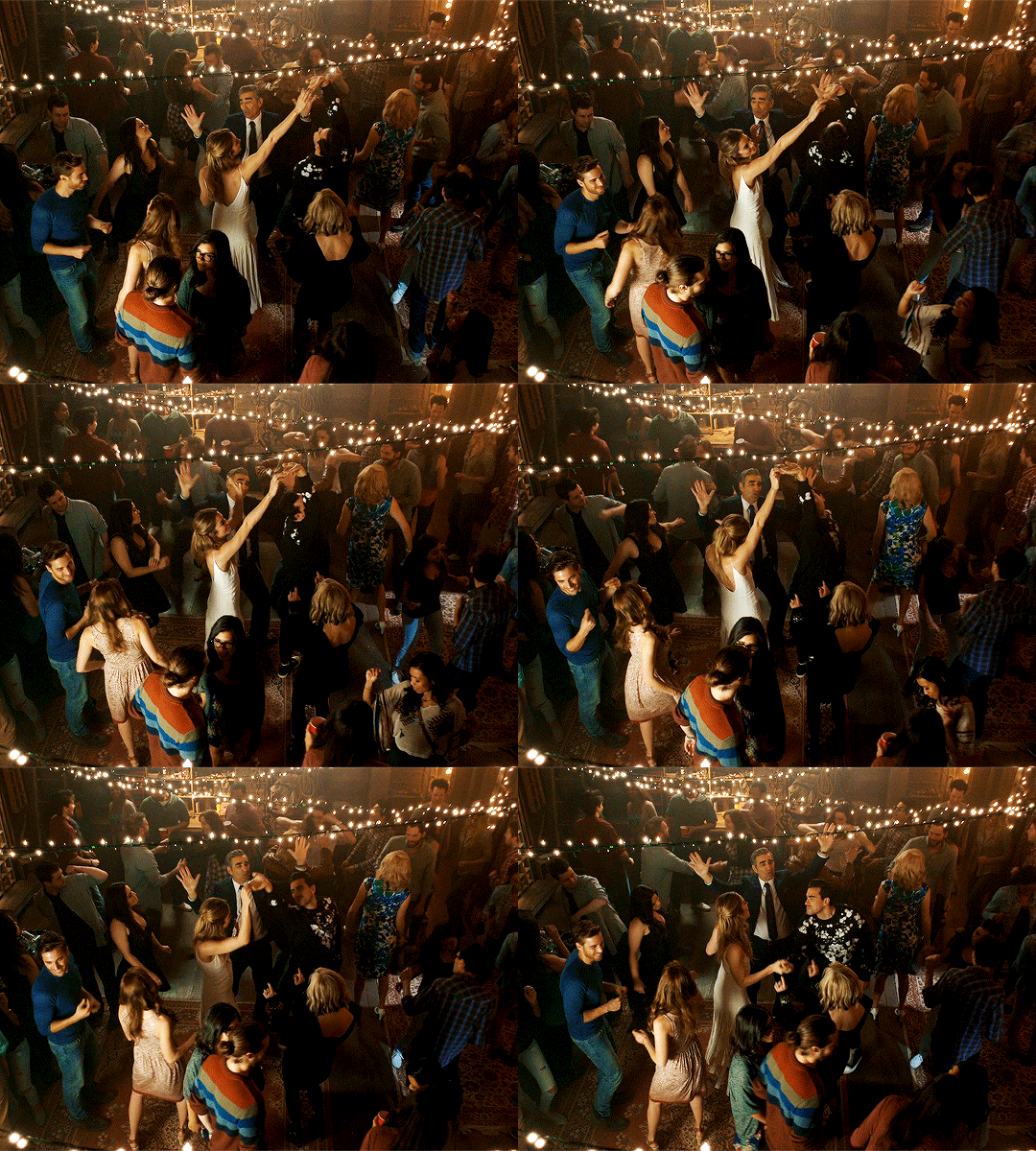
It’s the humanity of all of these characters. I couldn’t see it the first time I watched, because I didn’t yet know it existed. In the first few episodes, the cold exterior of the Rose’s empire walled off everything soft and beautiful. They are flat, without the contours that appear as the layers of entitlement and defensiveness are slowly stripped away.
The first time I watched Johnny explain he’s too busy to take care of Moira after she locked herself in a closet, full of privileged self-pity, and heard Alexis and David argue back, playing a selfish game of “not it,” I was appalled. Why would I want to watch a show about these horrible people?
This time, though, when David insists it isn’t his turn to watch Moira because he “did her birthday, and Aspen. Twice,” I can see it as a tiny seed of the family bonds which will grow and flourish over the next several seasons.
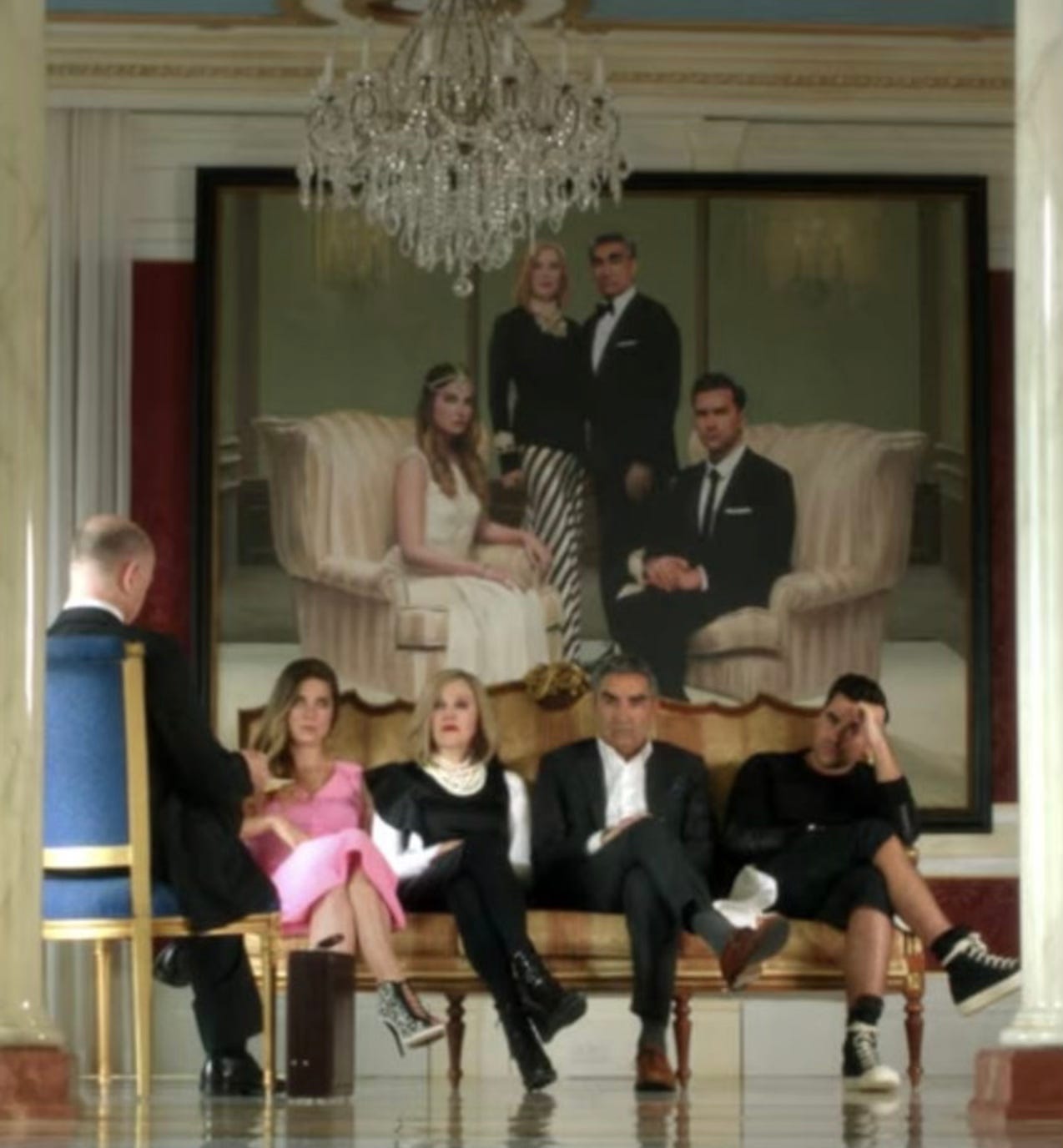
“I’m pretty sure I’m really lonely here.” ~David Rose
I’m writing about Schitt’s Creek to explore how to cope with crisis. While it may seem ridiculous to compare the loss of wealth and privilege to the truly life-threatening dangers which face many of us today, trauma is not about what happens, but about how we experience it.
Trauma is not about what happens, but about how we experience it.
The Roses experienced their fall from grace as earth-shattering and life-destroying. The layers and seasons of their immediate coping and long-term recovery can provide a lot of insight as to how we might do the same, no matter how big or small our crisis experience may be.
“My very soul has been kidnapped; there’s no ransom; no one’s coming to save me!” ~Moira Rose
I had the hardest time getting into this show! But then it gets so so good. It’s so interesting to compare it to the Bible In that way - something for me to consider for sure ❤️❤️ So happy you’re here on Substack now!!